The Remote Work Challenge: Why Legacy HR Systems Fall Short
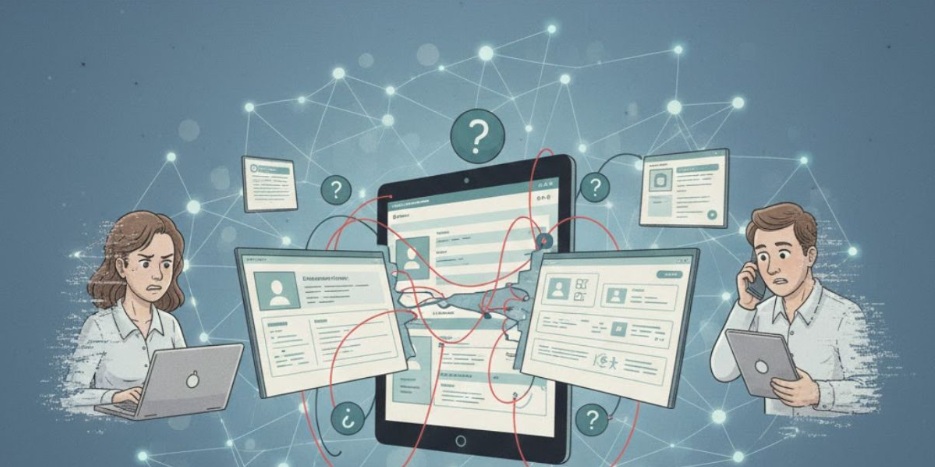
Remote work has shifted from an emergency response to a permanent fixture of the modern workplace. Organizations across industries now operate with hybrid or fully distributed teams, hiring talent across cities, countries, and time zones. This transformation has fundamentally changed how employees work, collaborate, and engage with their employers.
Yet while work itself has evolved, many HR systems have not. A significant number of organizations still rely on legacy HR platforms that were designed for centralized, office-based environments. These systems struggle to support the flexibility, speed, and visibility required in remote-first organizations.
As a result, HR teams face growing operational inefficiencies, compliance risks, and employee dissatisfaction. This article explores why legacy HR systems fall short in the remote work era, the challenges they create, and how modern HR technology can better support today’s distributed workforce.
What Are Legacy HR Systems?
Legacy HR systems typically refer to older, on-premise or early-generation digital platforms originally built to manage core HR tasks such as payroll, attendance, and employee records. While these systems may still function reliably for basic administration, they were not designed for today’s dynamic, digital-first work environment.
Common characteristics of legacy HR systems include:
- Limited flexibility and customization
- Heavy reliance on manual processes
- Siloed data across HR, payroll, and performance systems
- Poor integration with modern collaboration tools
- Outdated user interfaces and limited mobile access
Many organizations continue using these systems due to high replacement costs, fear of operational disruption, or long-standing compliance configurations. However, as remote work expands, the limitations of these platforms become increasingly difficult to ignore.
How Remote Work Has Changed Workforce Expectations?
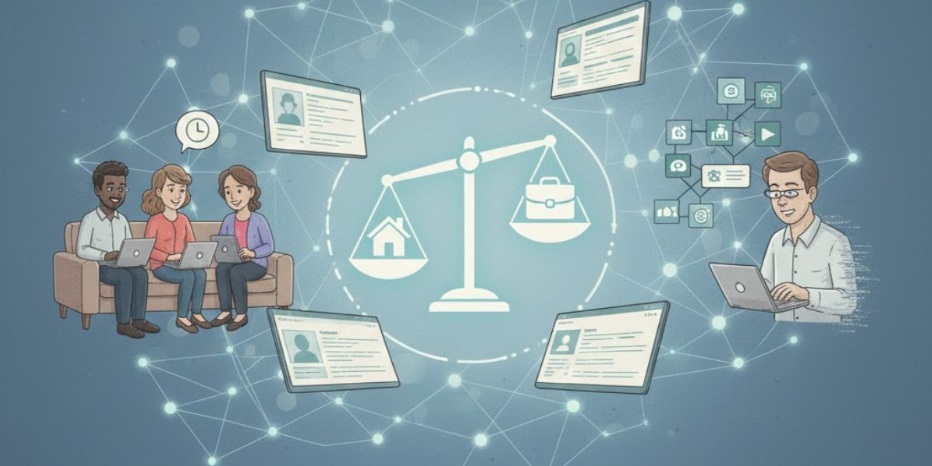
Remote work has reshaped employee expectations almost overnight. Today’s workforce expects HR processes to be as seamless and intuitive as the digital tools they use in their personal lives.
Employees now expect:
- Easy access to HR services from anywhere
- Self-service portals for leave, benefits, and personal data
- Transparent performance tracking and feedback
- Fast onboarding, even when working remotely
- Consistent communication and engagement
At the same time, HR’s role has expanded beyond administration. HR leaders are now responsible for employee experience, engagement, workforce analytics, and strategic planning. This evolution demands systems that are fast, accessible, and data-driven—capabilities most legacy platforms struggle to deliver.
Key Limitations of Legacy HR Systems in Remote Work Environments
Poor Accessibility and User Experience
Many legacy HR systems were built for in-office use, requiring access through internal networks or VPNs. For remote employees, this creates friction and delays, especially when accessing basic information like payslips, policies, or leave balances.
Outdated interfaces and lack of mobile optimization further reduce usability. When employees struggle to use HR systems, productivity drops and reliance on manual HR support increases—placing additional strain on HR teams.
Lack of Real-Time Data and Workforce Visibility
Remote work demands real-time insights into workforce performance, engagement, and capacity. Legacy HR systems often rely on static reports generated through manual data aggregation, making it difficult to respond quickly to emerging trends.
Without real-time analytics, organizations struggle to:
- Identify disengaged or at-risk employees
- Track productivity across distributed teams
- Forecast workforce needs accurately
This lack of visibility limits HR’s ability to make informed, strategic decisions in fast-changing environments.
Inefficient Onboarding and Offboarding
Onboarding remote employees is significantly more complex than onboarding in an office. Legacy HR systems often depend on paper-based forms, disconnected workflows, and manual approvals.
This leads to:
- Delayed access to systems and tools
- Inconsistent onboarding experiences
- Higher risk of compliance gaps
Similarly, offboarding remote employees becomes risky without automated processes to revoke system access and manage documentation—creating potential security vulnerabilities.
Limited Integration with Modern Collaboration Tools
Remote work relies heavily on collaboration platforms such as Microsoft Teams, Slack, Zoom, and project management tools. Legacy HR systems typically lack native integrations with these platforms.
As a result:
- Data remains siloed across systems
- HR processes become fragmented
- Employees duplicate work across multiple platforms
This lack of integration reduces efficiency and undermines collaboration across distributed teams.
Compliance and Security Risks in a Distributed Workforce
Managing compliance becomes significantly more complex when employees work across regions or countries. Different labor laws, tax requirements, and data protection regulations must be monitored and enforced consistently.
Legacy HR systems often lack:
- Automated compliance updates
- Built-in support for multi-country regulations
- Advanced role-based access controls
Additionally, many older systems were not designed with cloud security standards in mind. In remote work environments, this increases the risk of data breaches, unauthorized access, and regulatory penalties.
The True Cost of Maintaining Legacy HR Systems
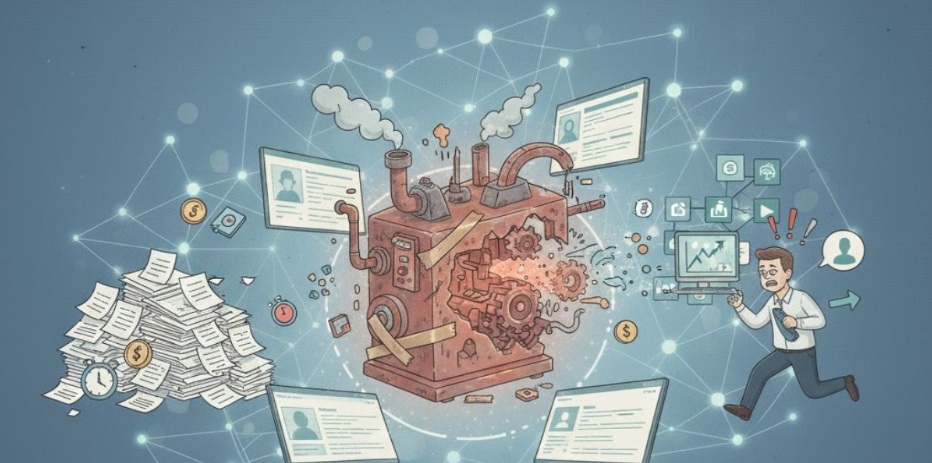
While legacy systems may appear cost-effective on the surface, their hidden costs add up over time. HR teams often rely on manual workarounds to compensate for system limitations, consuming time and resources that could be spent on strategic initiatives.
Additional costs include:
- Ongoing IT maintenance and infrastructure upgrades
- Slow response to organizational change
- Reduced employee engagement and retention
In contrast, modern cloud-based HR platforms offer scalable pricing models, regular updates, and lower long-term operational costs.
What Modern HR Systems Do Differently?
Modern HR systems are designed specifically to support remote, hybrid, and global workforces. They offer cloud-based, mobile-first platforms that centralize HR data and automate core processes.
Key advantages include:
- Anytime, anywhere access for employees and managers
- Real-time analytics and workforce insights
- Automated onboarding, offboarding, and compliance workflows
- Seamless integration with collaboration, payroll, and finance tools
- Improved employee experience through intuitive self-service features
These systems enable HR teams to move beyond administration and focus on strategic workforce planning and engagement.
Preparing for the Transition to Modern HR Technology
Migrating away from a legacy HR system requires careful planning. HR leaders should begin by assessing current system limitations and identifying key pain points affecting remote work.
Important considerations include:
- Stakeholder alignment across HR, IT, and leadership
- Data migration and system integration planning
- Change management and employee training
- Aligning HR technology with long-term business strategy
A phased implementation approach can help minimize disruption while ensuring adoption across the organization
Conclusion: HR Technology as a Remote Work Enabler
Remote work is no longer a temporary trend—it is a defining feature of the modern workplace. Legacy HR systems, designed for a different era, struggle to support the flexibility, visibility, and compliance demands of distributed teams.
Organizations that continue relying on outdated platforms risk inefficiency, disengagement, and missed opportunities. In contrast, modern HR systems empower organizations to manage remote work effectively, improve employee experience, and make data-driven decisions.
Ultimately, investing in modern HR technology is not just an operational upgrade—it is a strategic move that enables organizations to thrive in a remote-first world.
Frequently Asked Questions
1. What makes an HR system “legacy”?
A legacy HR system is typically an older platform that relies on outdated technology, offers limited integration, and lacks the flexibility needed for modern remote or hybrid work environments.
2. Why are legacy HR systems poorly suited for remote work?
They were designed for centralized, in-office work, making them difficult to access remotely, slow to update, and limited in real-time analytics and collaboration capabilities.
3. How do legacy HR systems impact employee experience?
Poor usability, lack of self-service options, and slow HR processes frustrate employees, reducing engagement and satisfaction—especially for remote workers.
4. Are legacy HR systems a security risk?
Yes, many lack modern security features and automated compliance updates, increasing the risk of data breaches and regulatory violations in distributed workforces.
5. What are the benefits of switching to a modern HR system?
Modern HR systems offer better accessibility, automation, real-time insights, improved compliance, and a more engaging employee experience—critical for remote and hybrid teams.
6. Is migrating from a legacy HR system difficult?
While migration requires planning and change management, a phased approach and strong stakeholder involvement can significantly reduce disruption.