Why HR Flexibility Matters in a Rapidly Changing Workforce
The modern workforce is undergoing rapid and unprecedented change. Remote and hybrid work models, technological advancements, shifting employee expectations, and global talent mobility have fundamentally reshaped how organizations operate. In this evolving environment, traditional human resource practices, often rigid, policy-heavy, and slow to adapt, are no longer sufficient. To remain competitive and resilient, organizations must embrace HR flexibility as a core strategic priority.
HR flexibility refers to the ability of human resource functions to adapt policies, processes, and workforce strategies in response to changing business needs and employee expectations. This includes flexible work arrangements, agile talent management, adaptive learning programs, and responsive leadership practices. As employees increasingly value autonomy, work-life balance, and purpose, HR departments must move beyond one-size-fits-all approaches.
Organizations that fail to adopt flexible HR practices risk higher employee turnover, reduced engagement, and difficulty attracting top talent. On the other hand, flexible HR strategies enable businesses to respond quickly to market changes, support employee well-being, and foster innovation. This article explores why HR flexibility matters in a rapidly changing workforce, the key forces driving change, and how organizations can successfully implement flexible HR practices to prepare for the future of work.
Understanding HR Flexibility
HR flexibility is the capacity of human resource systems to evolve in alignment with dynamic workforce and business conditions. Unlike traditional HR models that rely on fixed policies and hierarchical decision-making, flexible HR emphasizes agility, adaptability, and employee-centric practices.
At its core, HR flexibility includes adaptable work policies, responsive talent management, continuous learning opportunities, and data-driven decision-making. It allows HR teams to tailor solutions to different employee needs while maintaining alignment with organizational goals. Flexible HR also positions HR as a strategic partner rather than a purely administrative function.
By enabling quicker responses to workforce challenges—such as skill gaps, employee engagement issues, or organizational restructuring—HR flexibility supports both operational efficiency and long-term growth. It creates a foundation for resilience in an unpredictable business environment.
Key Drivers of a Rapidly Changing Workforce
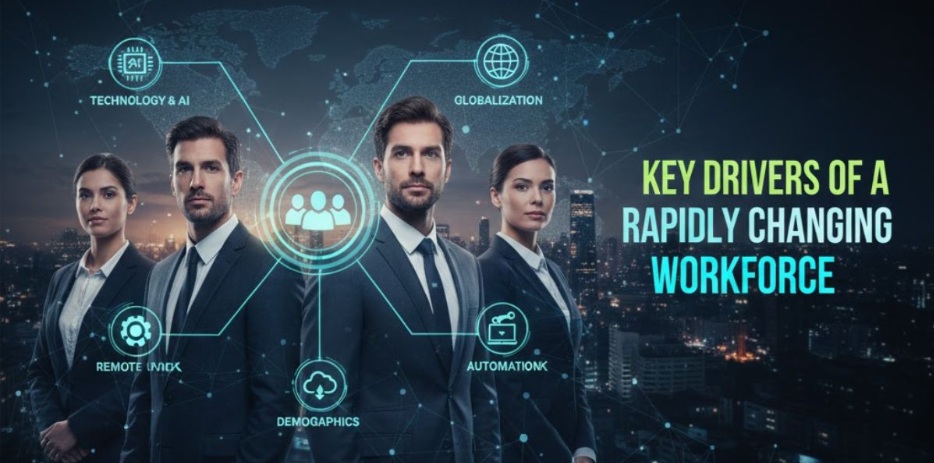
Several powerful forces are driving transformation in today’s workforce. One of the most significant is the widespread adoption of remote and hybrid work models, accelerated by digital collaboration tools and changing employee preferences. Employees increasingly expect flexibility in where and how they work.
Another driver is the rise of a multi-generational workforce. Organizations now employ Baby Boomers, Generation X, Millennials, and Generation Z simultaneously, each with distinct values, communication styles, and career expectations. HR must adapt to meet these diverse needs.
Technological advancements such as artificial intelligence, automation, and HR analytics are also reshaping job roles and skill requirements. Employees must continuously reskill, and HR must support lifelong learning. Additionally, employees are prioritizing well-being, purpose, and inclusivity over traditional incentives alone.
Globalization and cross-border talent mobility further add complexity, requiring HR teams to manage diverse cultures, regulations, and work arrangements. Together, these drivers make flexibility essential rather than optional.
Why HR Flexibility Is Critical for Talent Attraction and Retention?
In a competitive talent market, HR flexibility plays a crucial role in attracting and retaining skilled employees. Flexible work arrangements—such as remote work, flexible hours, and project-based roles—are no longer perks but expectations for many professionals.
Organizations that offer personalized benefits, adaptable career paths, and opportunities for growth are more appealing to top talent. HR flexibility enables customization, allowing employees to choose benefits and development opportunities that align with their individual goals and life stages.
Flexible HR practices also strengthen employer branding. Companies known for supportive, adaptable work environments are more likely to attract candidates who value trust and autonomy. Furthermore, when employees feel that their needs are understood and respected, they are more likely to remain loyal to the organization.
By reducing burnout, improving job satisfaction, and fostering a sense of belonging, HR flexibility directly contributes to lower turnover rates and long-term workforce stability.
Enhancing Employee Engagement and Productivity Through Flexibility
Employee engagement and productivity are closely linked to flexibility. When employees have greater control over their schedules and work environments, they often experience higher motivation and focus. Flexible HR policies empower employees to work in ways that suit their strengths and personal responsibilities.
Flexibility also supports mental health and well-being by reducing stress associated with rigid schedules and long commutes. HR teams that prioritize well-being initiatives, such as mental health support and workload management, create healthier and more engaged workforces.
Moreover, flexible performance management systems that focus on outcomes rather than hours worked encourage accountability and innovation. By fostering trust and autonomy, HR flexibility creates a culture where employees feel valued, leading to improved performance and collaboration.
HR Flexibility and Business Agility
HR flexibility is a key enabler of business agility. In rapidly changing markets, organizations must be able to scale their workforce up or down, redeploy talent, and respond quickly to disruptions. Flexible workforce planning allows companies to adapt without compromising productivity or morale.
Agile HR practices support faster decision-making by reducing bureaucratic barriers and enabling cross-functional collaboration. For example, flexible staffing models and project-based teams allow organizations to respond to new opportunities and challenges more effectively.
By aligning HR strategies with overall business objectives, flexible HR ensures that talent capabilities evolve alongside organizational needs. This alignment strengthens resilience, supports innovation, and helps organizations navigate uncertainty with confidence.
Managing Compliance and Risk in a Flexible HR Environment
While flexibility is essential, it must be balanced with compliance and risk management. Flexible HR environments often involve remote work, cross-border employment, and non-traditional contracts, all of which introduce legal and regulatory complexities.
HR teams must ensure compliance with labor laws, data protection regulations, and workplace safety standards across different regions. Clear policies, transparent communication, and proper documentation are critical to managing risk.
By leveraging HR technology and legal expertise, organizations can maintain compliance while offering flexibility. A well-governed flexible HR framework protects both employees and the organization.
Implementing HR Flexibility: Best Practices
Successfully implementing HR flexibility requires a strategic approach. Investing in HR technology, such as cloud-based HR systems and data analytics, enables better workforce insights and faster decision-making. Training HR professionals and leaders to adopt agile mindsets is equally important.
Continuous feedback mechanisms, such as employee surveys and regular check-ins, help HR teams understand evolving needs. Leadership support is essential to drive cultural change and ensure consistent adoption of flexible practices.
Finally, organizations should measure the impact of HR flexibility through key performance indicators such as engagement, retention, and productivity. Continuous improvement ensures long-term success.
Conclusion: Preparing HR for the Future of Work
HR flexibility is no longer a temporary response to change; it is a fundamental requirement for success in the modern workplace. As workforce expectations, technologies, and business environments continue to evolve, flexible HR practices enable organizations to remain resilient, competitive, and employee-centric.
By embracing adaptability, personalization, and agility, HR can support both organizational performance and employee well-being. Flexible HR strategies foster engagement, enhance productivity, and strengthen employer reputation, positioning organizations for sustainable growth.
Ultimately, investing in HR flexibility is an investment in the future of work. Organizations that act proactively will be better equipped to navigate uncertainty and build thriving, adaptable workforces.
Frequently Asked Questions
Why is HR flexibility important in a rapidly changing workforce?
HR flexibility is important because today’s workforce is shaped by remote work, technological advancements, and shifting employee priorities. Flexible HR practices help organizations respond quickly to change, retain top talent, improve employee engagement, and remain competitive in dynamic markets.
How does HR flexibility improve employee retention?
HR flexibility improves retention by addressing employee needs such as work-life balance, career development, and well-being. Flexible schedules, remote work options, and personalized growth opportunities increase job satisfaction and reduce burnout, leading to lower turnover rates.
What role does HR flexibility play in employee engagement?
HR flexibility enhances employee engagement by empowering employees with autonomy and trust. When employees can work in ways that suit their productivity and personal responsibilities, they are more motivated, committed, and aligned with organizational goals.
How does HR flexibility support business agility?
HR flexibility enables organizations to scale their workforce, redeploy talent, and respond quickly to market changes. Agile HR practices reduce bureaucracy, support faster decision-making, and align workforce capabilities with evolving business objectives.
Can HR flexibility create compliance risks?
Yes, if not managed properly. Flexible work arrangements can introduce compliance risks related to labor laws, data protection, and remote work regulations. However, clear policies, proper documentation, and HR technology can help organizations maintain compliance while remaining flexible.